Seller-Impersonation Scams: Protecting a Vacant Lot or Second Home
🎙️ Listen: Buddy talks through this article · 8 min
An AI-produced audio version of this article, from Real Stories with Buddy Blake.
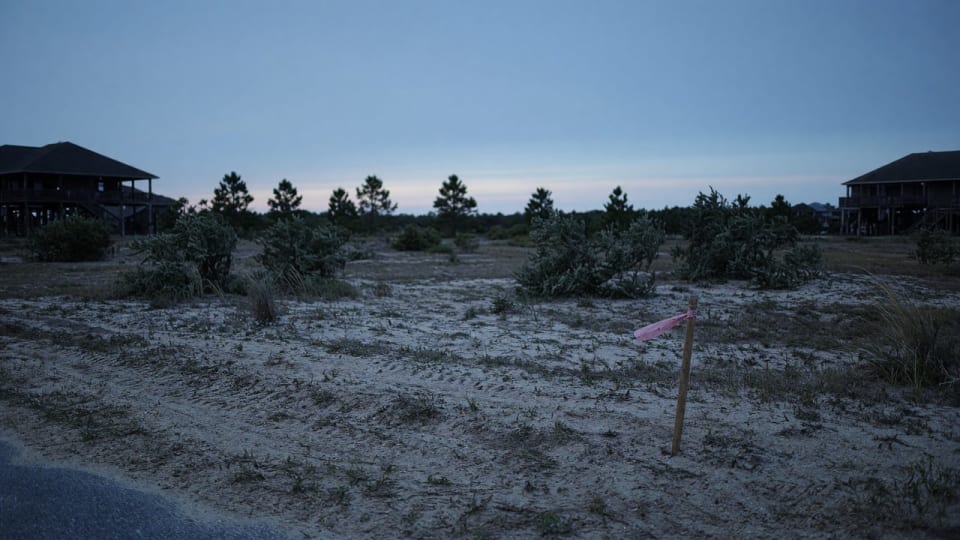
If you own a lot you haven't built on yet, or a coastal house you only use a few weeks a year, there's a scam you should know about. Someone pretends to be you, and they try to sell your property.
I'm a Wilmington native and I've sold real estate here since 1998. I work with home sellers, and I'd rather you hear about this from me now than find out the hard way. I'm not an attorney, and this is general education, not legal advice. For anything specific to your property, talk to a real estate attorney.
How a seller-impersonation scam works
The basic idea is simple. A fraudster finds a property with no mortgage, or no one living in it, and looks up who owns it. County records are public, so the owner's name is easy to find. Then the fraudster poses as that owner and contacts an agent or a buyer about selling.
The goal is to get a buyer to hand over money, or to get a deal moving, before the real owner ever finds out. The real owner may be in another state, may not check on the property often, or may simply not be looking.
I'm not going to hand you a statistic on how often this happens, because I don't have a number I can stand behind. What I can tell you is that the setup is easy to understand, and the defenses are mostly common sense.
Why vacant lots and second homes are the easy targets
It comes down to who is paying attention. When a family lives in a house, someone would notice a stranger walking through it with a buyer. When a lot sits empty, or a beach house sits closed up for most of the year, nobody is there to notice anything.
Owners of vacant land and second homes often share a few traits:
- They live somewhere else, so mail and calls take longer to reach them.
- The property is not their primary home, so they check on it less often.
- There is no one on site to say, "Wait, that isn't the owner."
Whether it's a lot in Brunswick County or a second home in New Hanover County, the situation is the same. If nobody is watching, a scammer has more room to work.
Red flags that something is off
If you're an owner, or you're working with one, watch for these signs. They don't prove fraud on their own, but together they should make anyone slow down.
- The "owner" can't be reached live. They only communicate by email or text and avoid phone or video calls.
- Everything is urgent. They want a fast cash sale, a quick closing, and no delays.
- The price seems too low for what the property is. They're willing to take far less than the market would bear just to move quickly.
- They won't meet in person or let you inspect anything. Every request to verify them gets an excuse.
- Odd paperwork requests. They want to use their own notary, their own closing contact, or send funds somewhere unusual.
- Contact details that don't match. A new email address or phone number that has no connection to the owner's name on record.
If you get a letter, a call, or a note from an agent about a listing of your property that you never authorized, treat that as a red flag too, not an honest mix-up to ignore.
What you can do to protect your property
You can't make yourself completely scam-proof, but you can make your property a harder target.
- Look at your property regularly. Set a reminder to search for your address and parcel online every so often to see whether it's been listed anywhere. Keep an eye on your mail too, and make sure your contact information with the county is current.
- Ask your county Register of Deeds what they offer. Some counties provide ways to be notified when a document is recorded against your property. I can't tell you what every office offers, so call yours and ask.
- Give someone you trust a way to check in. A neighbor, a property manager, or a family member who can tell you if something looks different, such as a sign, a surveyor, or strangers walking the lot.
- Keep your information off public channels. Don't post that the house is empty for the season or that you're out of town for months.
- Don't be offended by verification. If you're really selling, expect your agent and closing attorney to ask for proof of who you are. Careful people ask. Fraud thrives where nobody does.
- Talk to a real estate attorney about your situation. They can tell you what additional protections make sense for your property and how your closing is handled.
If you're thinking about selling, my seller tips for Wilmington and the page on how my team sells homes will walk you through what a real, verified sale looks like.
If you think someone is posing as you
Act quickly and don't wait to see how it plays out. Here is where I'd start:
- Contact the agent or brokerage involved and tell them plainly that you did not authorize any listing or sale.
- Reach out to a real estate attorney right away. They can advise you on next steps and on protecting your title.
- Call your county Register of Deeds and ask what they can tell you about recent activity on your property.
- Gather what you have: the emails, the listing, the phone numbers, anything the impostor sent.
- Consider reporting it to local law enforcement.
Vacant properties come with their own headaches even when nothing goes wrong. I wrote about one of them in what we did when sellers left a cat behind in a vacant home. If you do decide to sell a house or lot you don't live near, the details are easier to handle when you have someone local who knows the area. You can see how we handle selling a home in Wilmington, and if you're not sure what's out there, you can browse the neighborhoods we cover.
Owning a piece of the coast from a distance is a good thing. It just takes a little attention to keep it yours. If you've got a lot or a second home and a question about selling it the right way, call or text me at (910) 395-1000. I'm glad to talk it through.
Read the episode transcript
Host: Today we're getting right into seller-impersonation scams, and how to protect a vacant lot or a second home. I'm here with Buddy Blake on Real Stories with Buddy Blake. Buddy, welcome. Okay, so somebody pretends to be you and tries to sell your property? Walk me through that, because it sounds wild.
Buddy Blake: Yeah, it is wild, and thanks for having me. So I'm a Wilmington native, I've sold real estate here since 1998, and I work with home sellers. This is something I'd rather folks hear from me now than find out the hard way. If you own a lot you haven't built on yet, or a coastal house you only use a few weeks a year, somebody can pretend to be you and try to sell it out from under you.
Host: Okay, but how does a stranger even pull that off? Like, where do they start?
Buddy Blake: Simple, honestly. A fraudster finds a property with no mortgage, or one nobody's living in. Then they look up who owns it. County records are public, so the owner's name is right there. Then they pose as that owner and contact an agent or a buyer about selling.
Host: Oh wow. So what's the end goal? Are they trying to actually close the deal?
Buddy Blake: The goal is to get a buyer to hand over money, or to get a deal moving, before the real owner ever finds out. And the real owner might be in another state, might not check on the property much, or just isn't looking. Now, I'm not going to throw a statistic at you on how often this happens, because I don't have a number I can stand behind. What I can tell you is the setup is easy to understand, and the defenses are mostly common sense.
Host: I appreciate that, no scary made-up numbers. So why are vacant lots and second homes the easy targets?
Buddy Blake: It comes down to who's paying attention. When a family lives in a house, somebody's going to notice a stranger walking through it with a buyer. But when a lot sits empty, or a beach house sits closed up most of the year, nobody's there to notice anything.
Host: Right, exactly. There's nobody to say, hey, wait a second.
Buddy Blake: That's it. Owners of vacant land and second homes often share a few things. They live somewhere else, so mail and calls take longer to reach them. The property isn't their primary home, so they check on it less. And there's no one on site to say, wait, that isn't the owner. Whether it's a lot in Brunswick County or a second home in New Hanover County, it's the same story. If nobody's watching, a scammer has more room to work.
Host: Okay, so let's say I'm an owner, or I'm working with one. What are the red flags? What should make me slow down?
Buddy Blake: Good question. And none of these prove fraud on their own, but stack a few together and everybody should hit the brakes. First one, the so-called owner can't be reached live. They only do email or text, and they dodge phone calls or video calls.
Host: Huh. That feels like a big one.
Buddy Blake: It is. Second, everything's urgent. They want a fast cash sale, a quick closing, no delays. Third, the price seems too low for what the property is. They'll take far less than the market would bear just to move quickly. And fourth, they won't meet in person or let anybody inspect anything. Every time you ask them to verify who they are, there's an excuse.
Host: And I'm guessing the paperwork gets weird too?
Buddy Blake: Yep. Odd paperwork requests. They want to use their own notary, their own closing contact, or send funds somewhere unusual. And then contact details that don't match, like a brand new email address or phone number that has no connection to the owner's name on record.
Host: So what if I'm the owner and I get a letter or a call from some agent about a listing of my property that I never authorized? Could that just be a mix-up?
Buddy Blake: Don't write it off as an honest mix-up. Treat that as a red flag too. If you get a letter, a call, or a note about a listing of your property that you never okayed, take it seriously and start asking questions.
Host: Okay, so what can an owner actually do to protect themselves? Because it sounds a little scary.
Buddy Blake: Well, you can't make yourself completely scam-proof, but you can make your property a harder target. Start by looking at it regularly. Set a reminder to search your address and parcel online every so often and see if it's been listed anywhere. Keep an eye on your mail, and make sure your contact info with the county is current.
Host: That's easy enough. Anything with the county itself?
Buddy Blake: Yeah, call your county Register of Deeds and ask what they offer. Some counties have ways to notify you when a document is recorded against your property. I can't tell you what every office does, so call yours and ask.
Host: Love that. What about people on the ground? Like if I'm hours away?
Buddy Blake: Give someone you trust a way to check in. A neighbor, a property manager, a family member. Somebody who can tell you if something looks different, like a sign, a surveyor, or strangers walking the lot. And keep your information off public channels. Don't post that the house is empty for the season or that you're out of town for months.
Host: Oh, that's a good one. People post everything. Okay, and what if I really am selling? Is it weird if my agent keeps asking me to prove who I am?
Buddy Blake: Not at all, and don't be offended by it. If you're really selling, expect your agent and your closing attorney to ask for proof of who you are. Careful people ask. Fraud thrives where nobody does. And talk to a real estate attorney about your situation. They can tell you what extra protections make sense for your property and how your closing is handled.
Host: Now the other side of this. Say someone's already posing as me. What do I do? Where do I start?
Buddy Blake: Act quickly and don't wait to see how it plays out. First, contact the agent or brokerage involved and tell them plainly you did not authorize any listing or sale. Then reach out to a real estate attorney right away. They can advise you on next steps and on protecting your title.
Host: Okay, that's step one and two. What else?
Buddy Blake: Call your county Register of Deeds and ask what they can tell you about recent activity on your property. Gather what you have, the emails, the listing, the phone numbers, anything the impostor sent. And consider reporting it to local law enforcement.
Host: That's really clear. And I know vacant properties can be a headache even when nothing goes wrong, right?
Buddy Blake: Oh, they can. I wrote about one where sellers left a cat behind in a vacant home. If you do decide to sell a house or lot you don't live near, the details are a lot easier when you've got someone local who knows the area. We've got info on how we handle selling a home in Wilmington, and if you're not sure what's out there, you can browse the neighborhoods we cover. It's all in the show notes.
Host: Perfect. Buddy, this was great. Owning a piece of the coast from a distance should feel good, it just takes a little attention. Where can folks reach you?
Buddy Blake: Thanks, that's exactly right. Owning a piece of the coast from a distance is a good thing, it just takes a little attention to keep it yours. If you've got a lot or a second home and a question about selling it the right way, call or text me at 910-395-1000. I'm glad to talk it through. And the full article is linked in the show notes.