Living in Wrightsville Beach, NC: Island Life Guide
The short answer: Wrightsville Beach is the closest beach to Wilmington, a small town of about 2,500 year-round residents on a barrier island and the smaller Harbor Island behind it. Living here means walking to the sand, the Loop and the sound, but it also means island prices, higher insurance, summer crowds and bridges you'll depend on. Redfin's median sale price for the 28480 ZIP was about $1.65 million in June 2026.
How the town is laid out
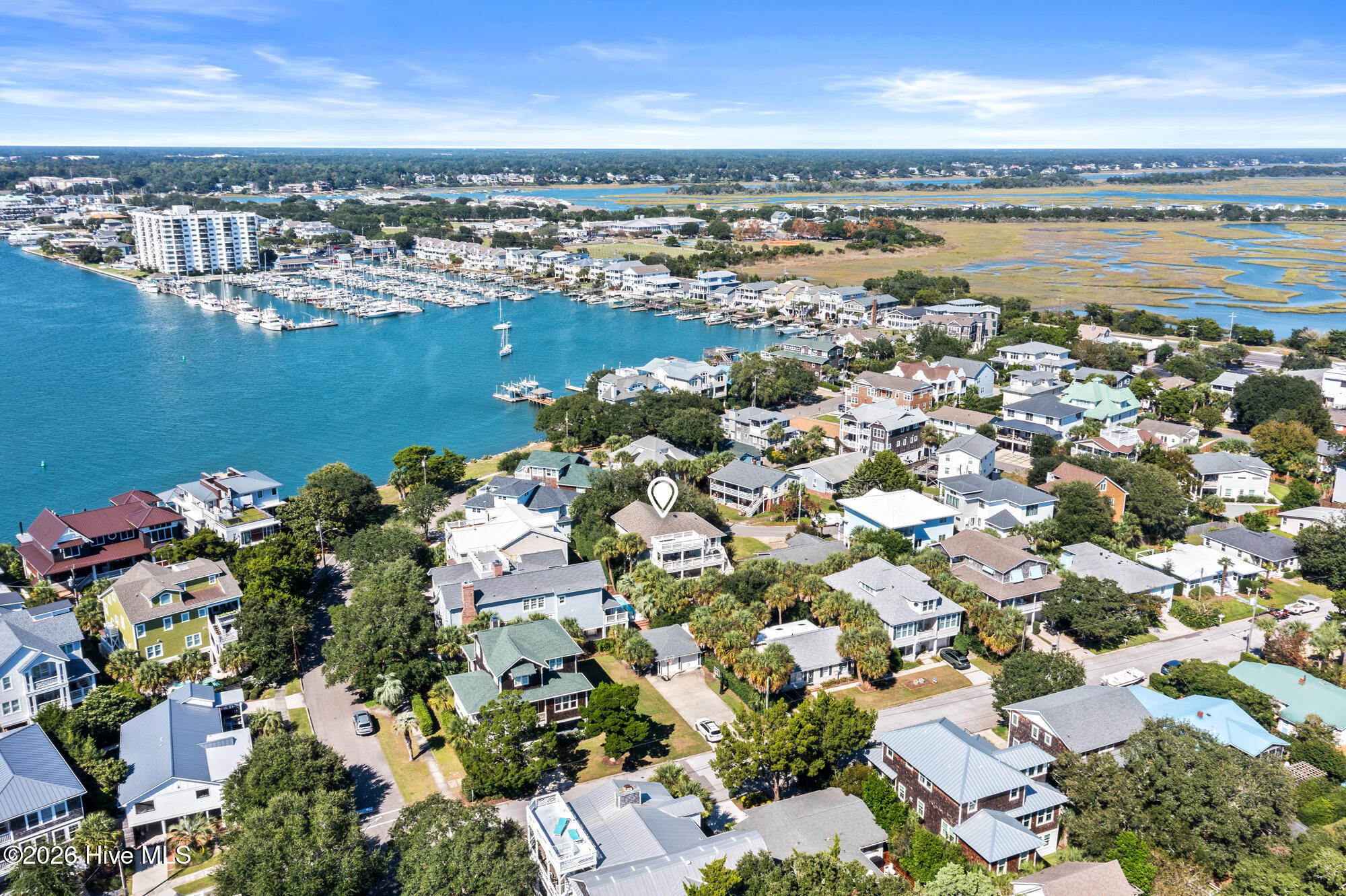
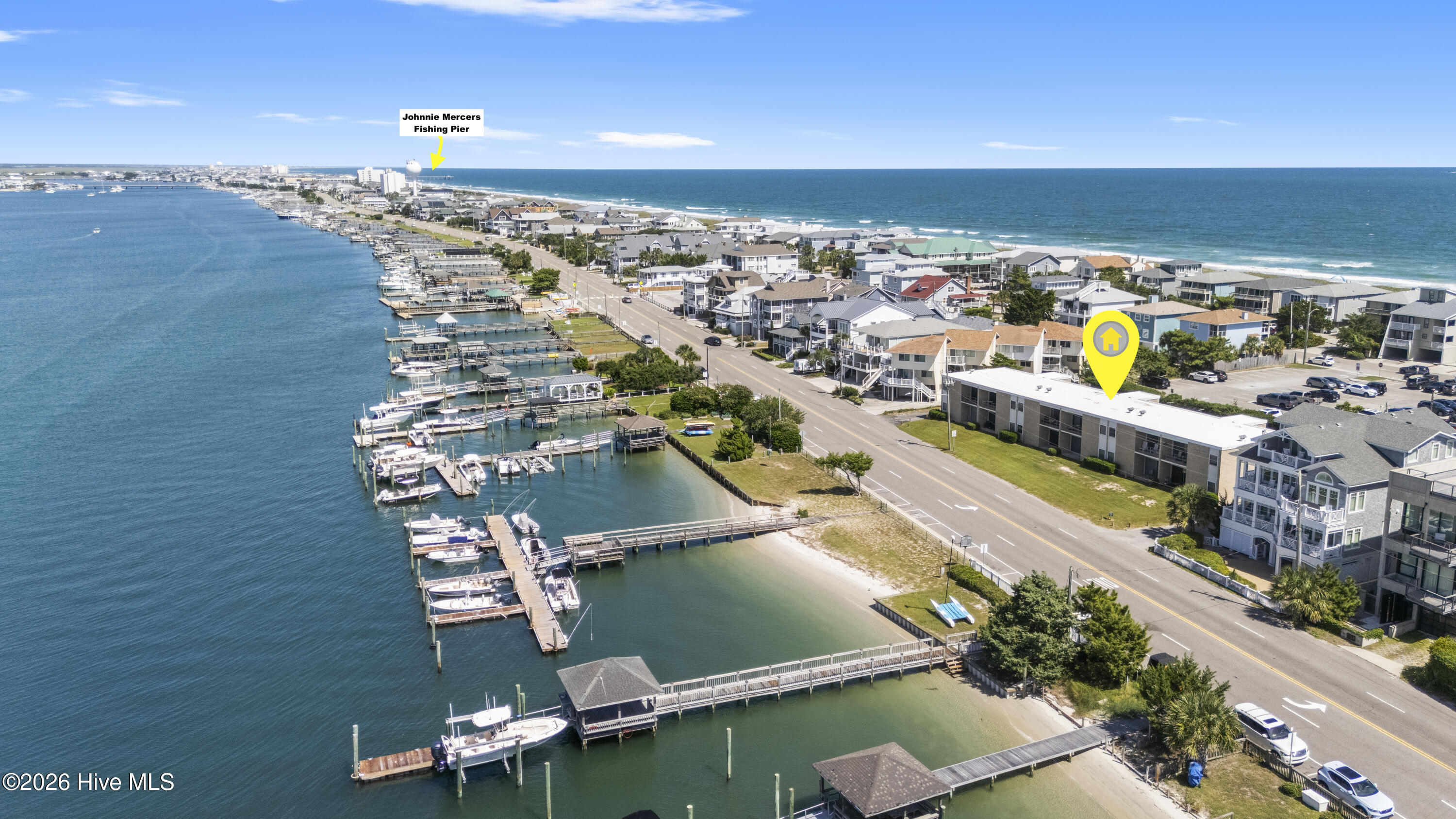
Wrightsville Beach is really two islands. Coming from Wilmington, you cross the Intracoastal Waterway on the Heide Trask Drawbridge (US 74/76) and land on Harbor Island, an inner island between the mainland and the beach. Banks Channel separates Harbor Island from the beach strand, a barrier island about 4.6 miles long with the ocean on one side and Banks Channel on the other. A second road, Causeway Drive, also crosses from the mainland to Harbor Island and on to the beach.
How the island got its start
For a long time, the beach was reachable only by boat. The first permanent building on it was the Carolina Yacht Club, founded in 1853 by a handful of local sailors and still one of the oldest yacht clubs in the country. Harbor Island, the inner island, was known back then as "the Hammocks."
The railroad changed everything. Passenger trains started running from Wilmington toward the beach in 1887, and by 1889 track crossed Banks Channel to the oceanfront. Hugh MacRae's power company later turned the lines into an electric trolley, with stops along South Lumina Avenue. Cars could drive over on a causeway starting in 1926, and the trolley quit in 1940. The town, once called Ocean View Beach, was incorporated in 1899 and named for the Wright family of Wilmington.
Ask any longtime local about the Lumina. The pavilion opened in 1905 and was named for its thousands of outside lights. People danced to big bands there, and starting in 1913 they watched silent movies on a screen set up in the surf. It closed in 1972, and condos stand on the site now.
Landmarks you'll use
- The Loop: a 2.45-mile path around the inner island, past the town park and marsh views. It's the town's walking and running track.
- Johnnie Mercer's Pier: first built in 1937, rebuilt in reinforced concrete after Hurricane Fran, and reopened in 2002.
- Crystal Pier: another of the island's historic piers.
- Wrightsville Beach Museum of History: in the 1909 Myers Cottage at 303 W. Salisbury Street, with a model of the beach as it looked in 1910 and a trolley exhibit on the porch.
- Farmers market: Mondays, 8 a.m. to 1 p.m., at the Wrightsville Beach Park softball field. The 2026 season ran May 4 to Dec. 7.
- Mason Inlet Waterbird Management Area: about 300 acres at the north end, set aside for nesting birds.
- Masonboro Island: an undeveloped 8.4-mile barrier island just south across Masonboro Inlet. About 87% is marsh and tidal flats, and you can only get there by boat.
Condos vs. single-family
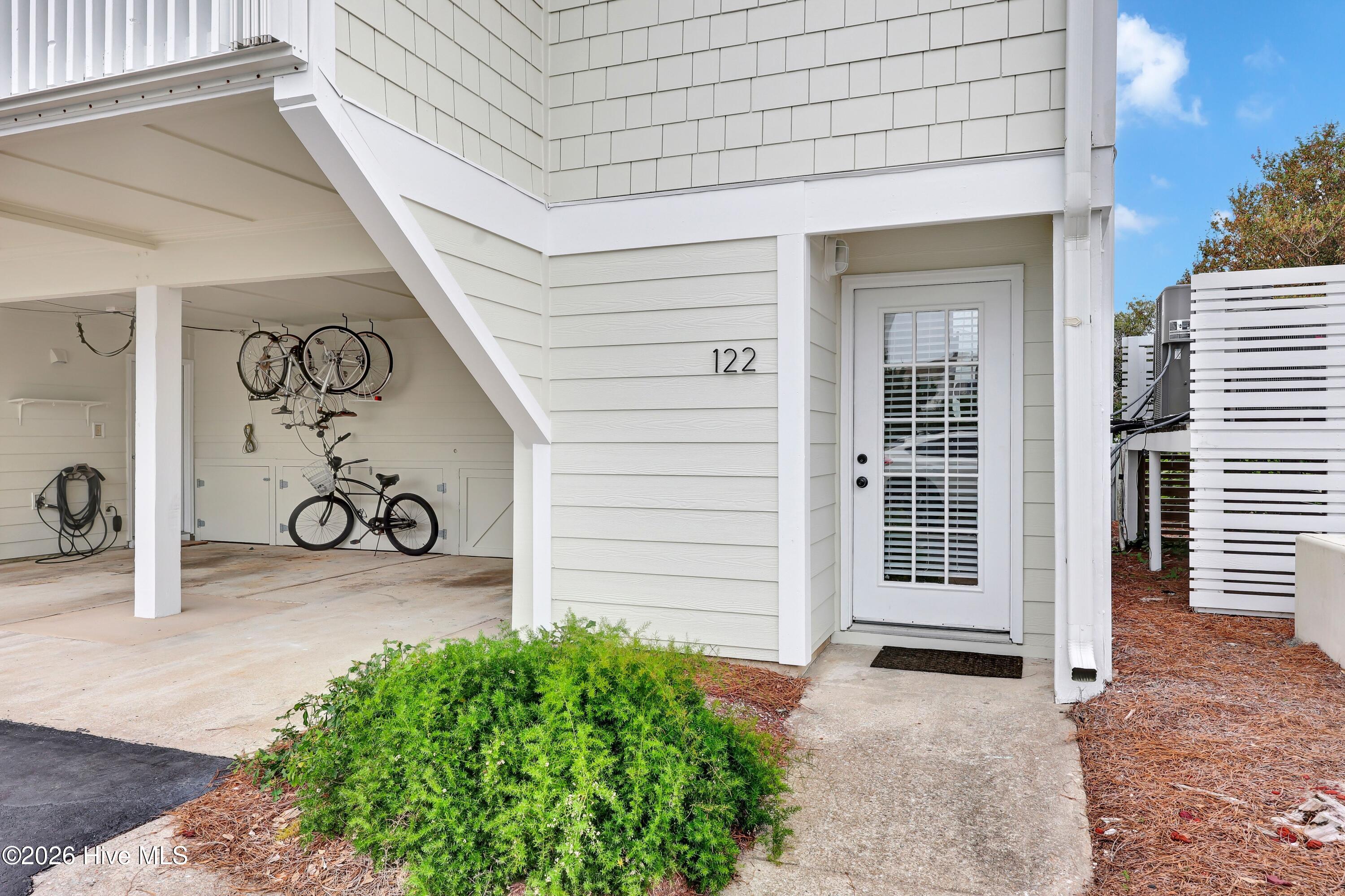
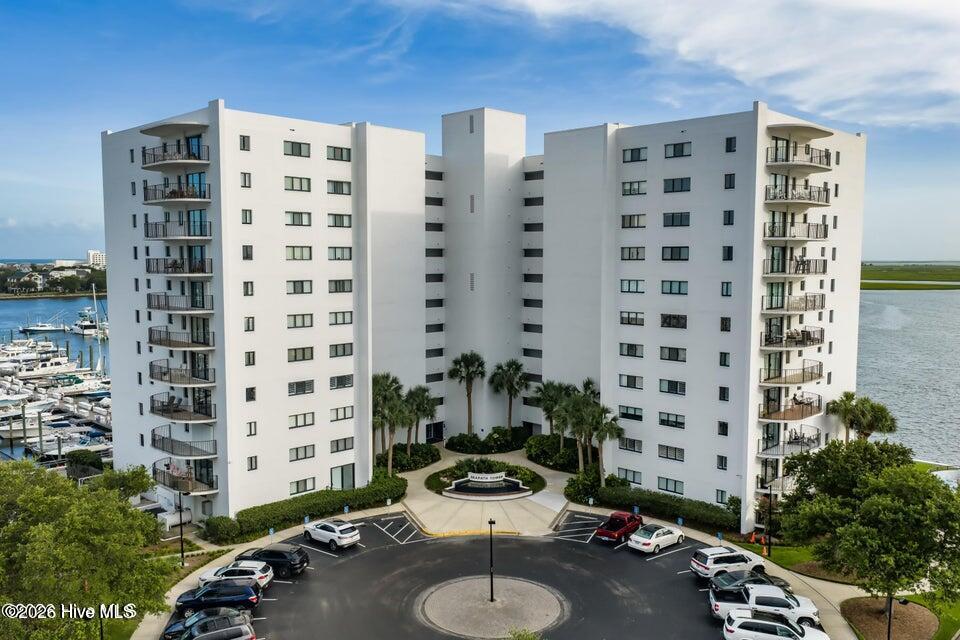
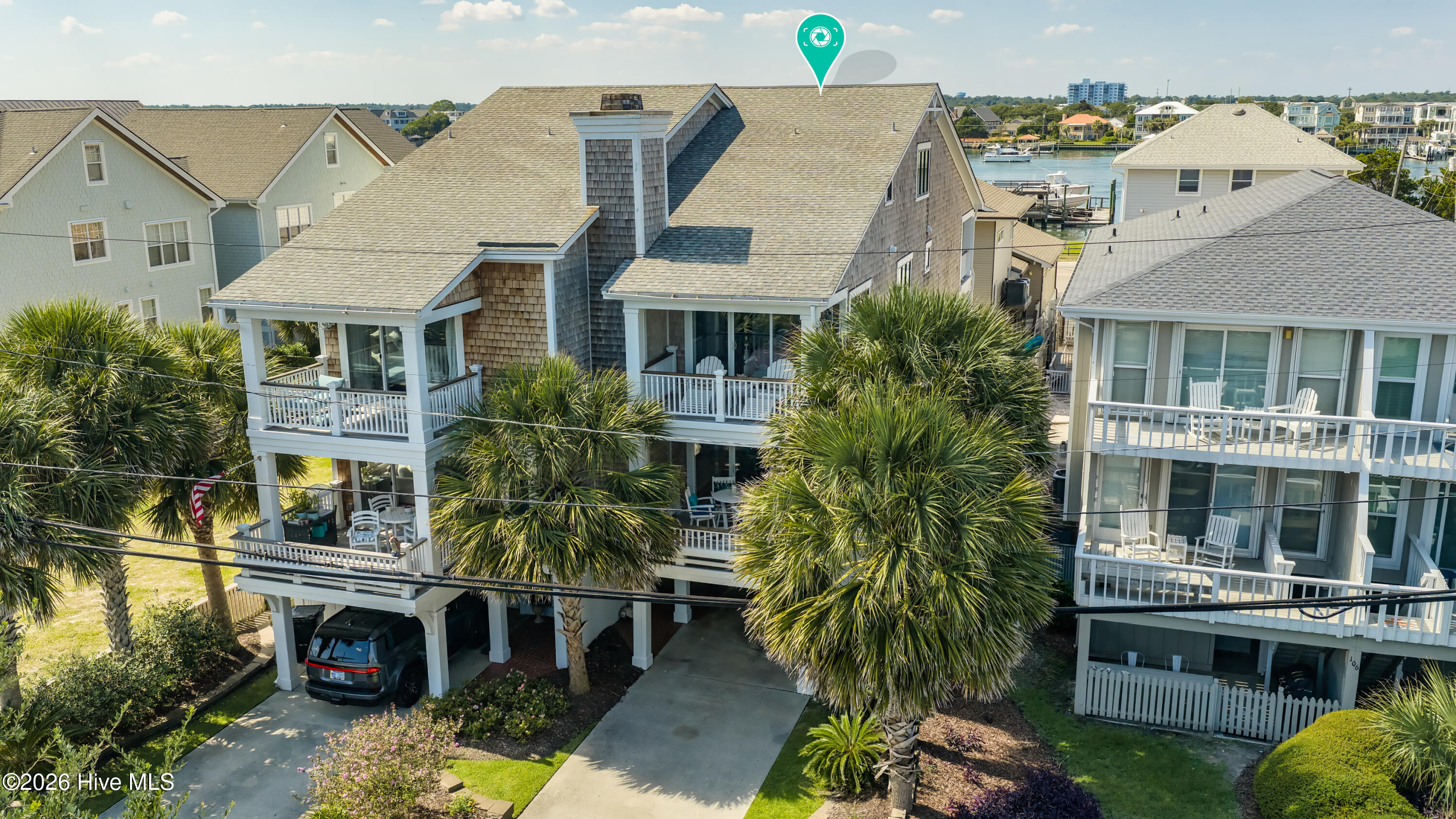
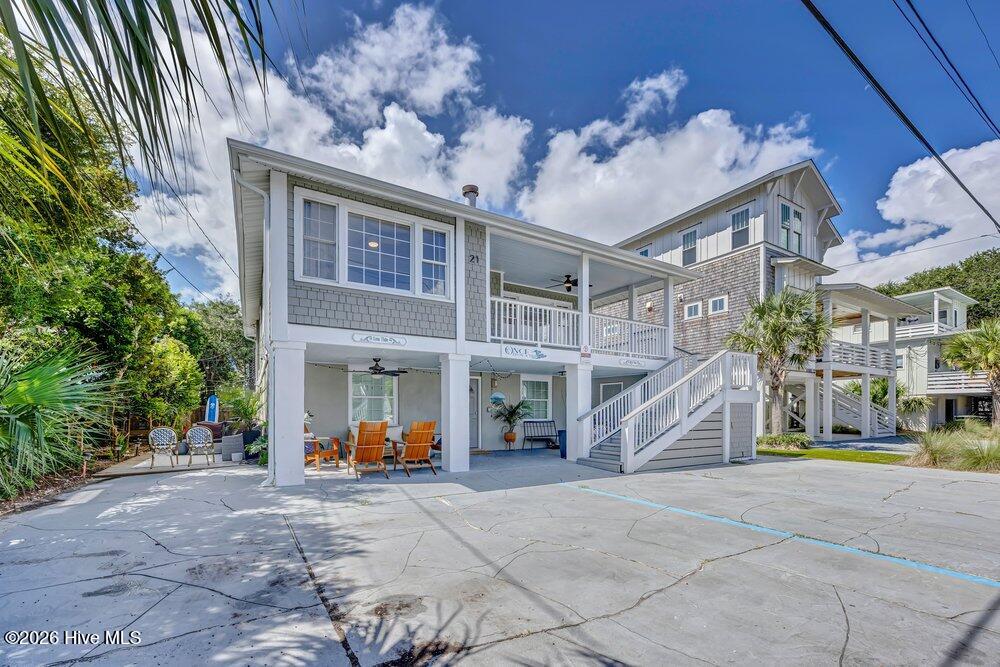
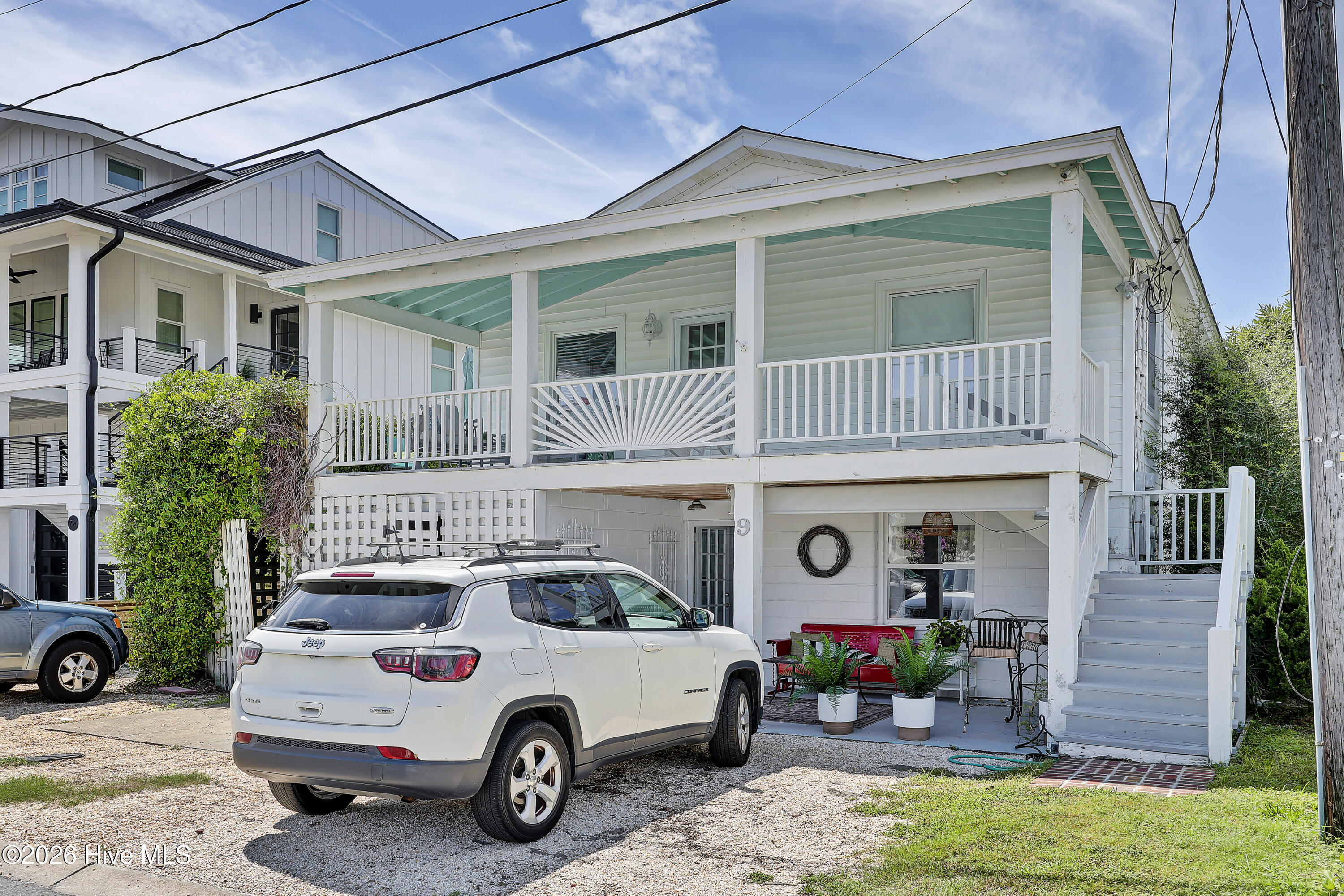
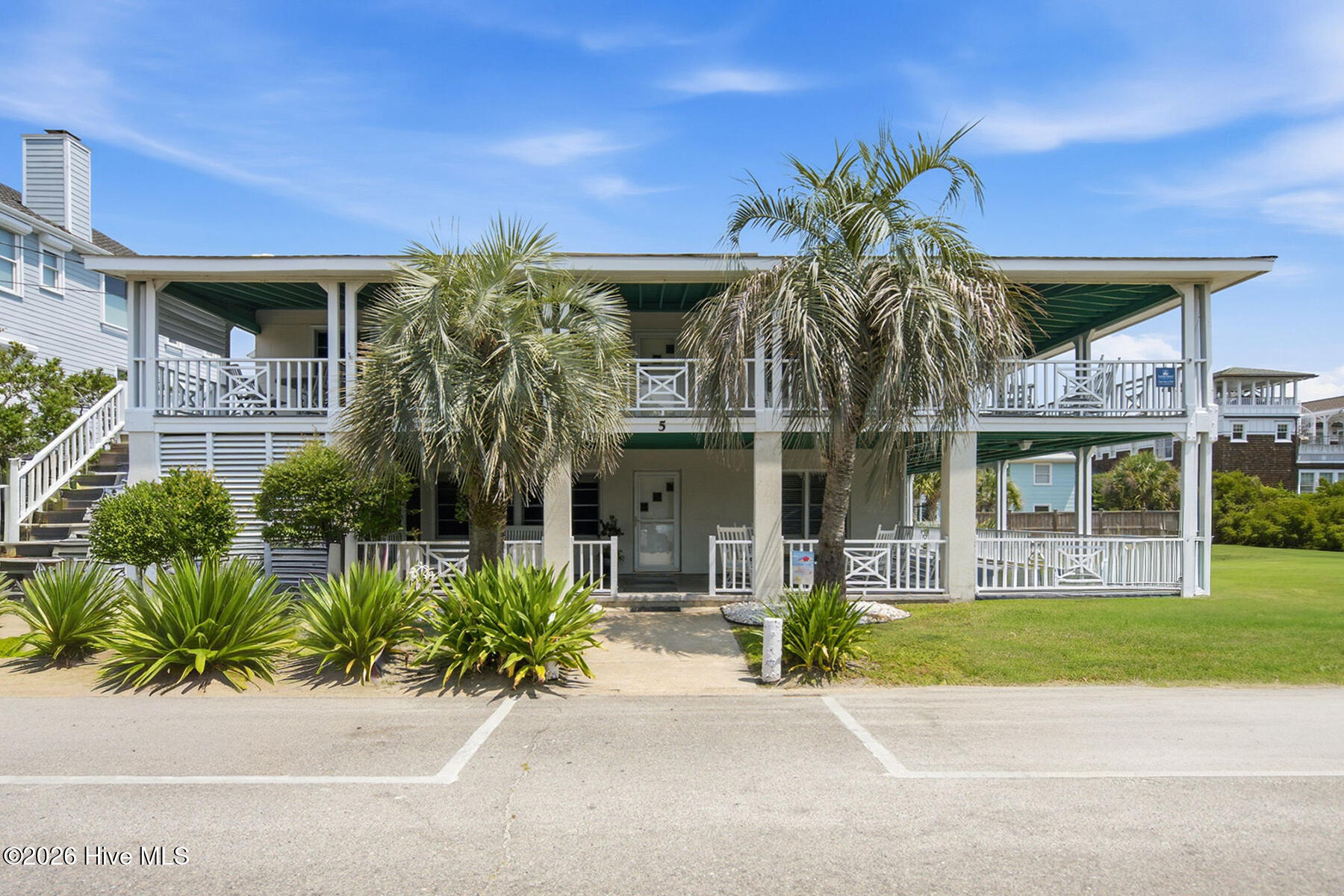
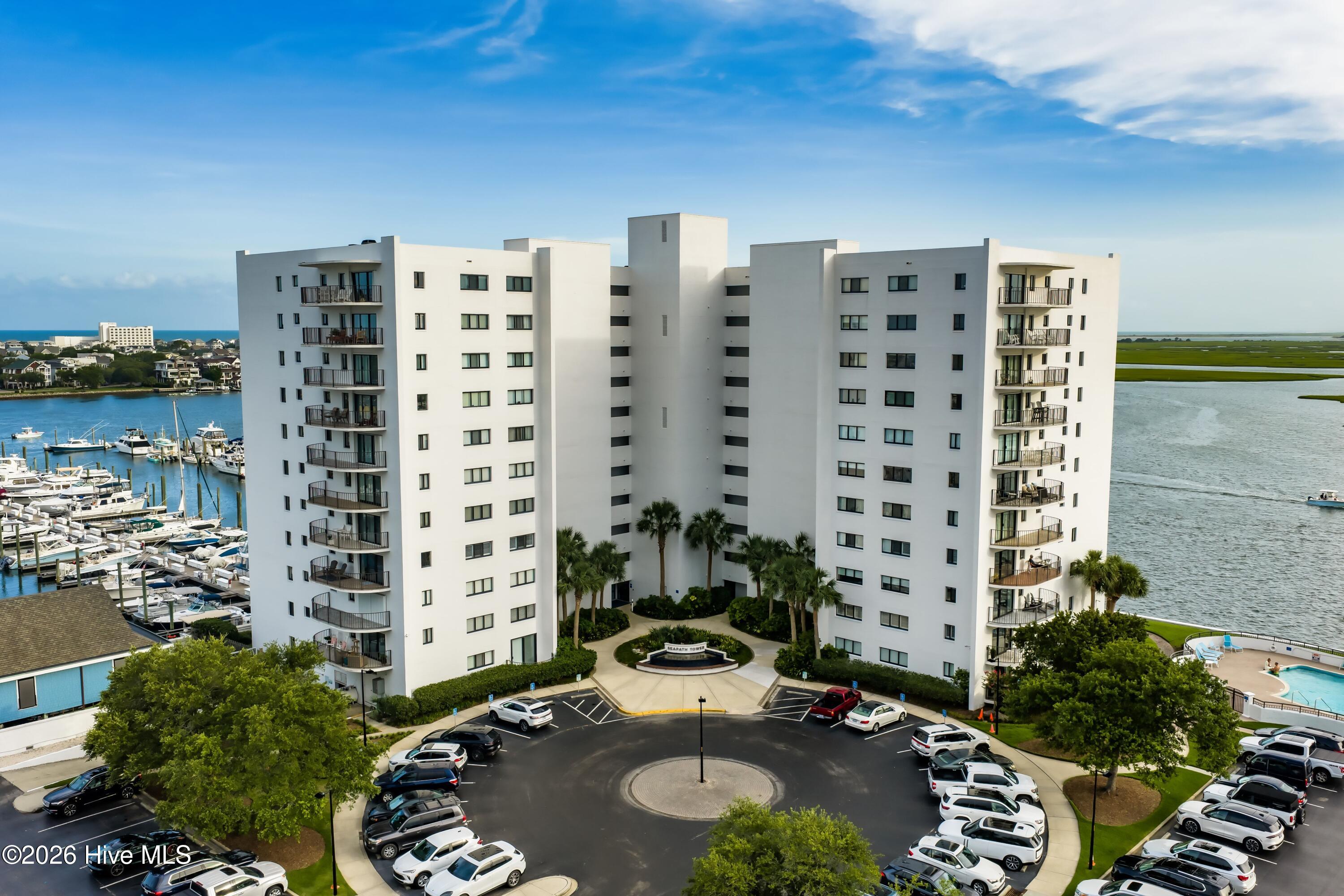
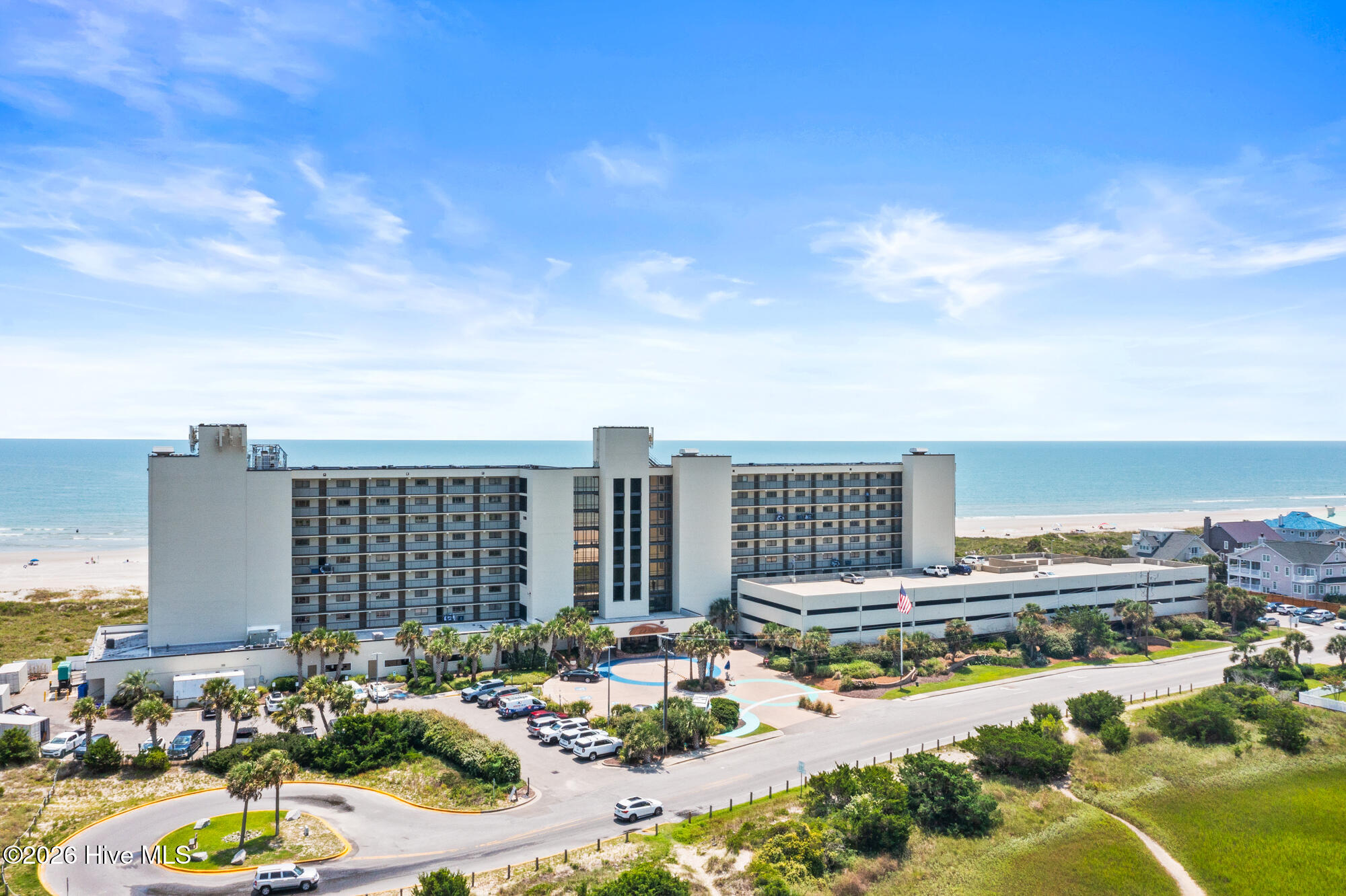
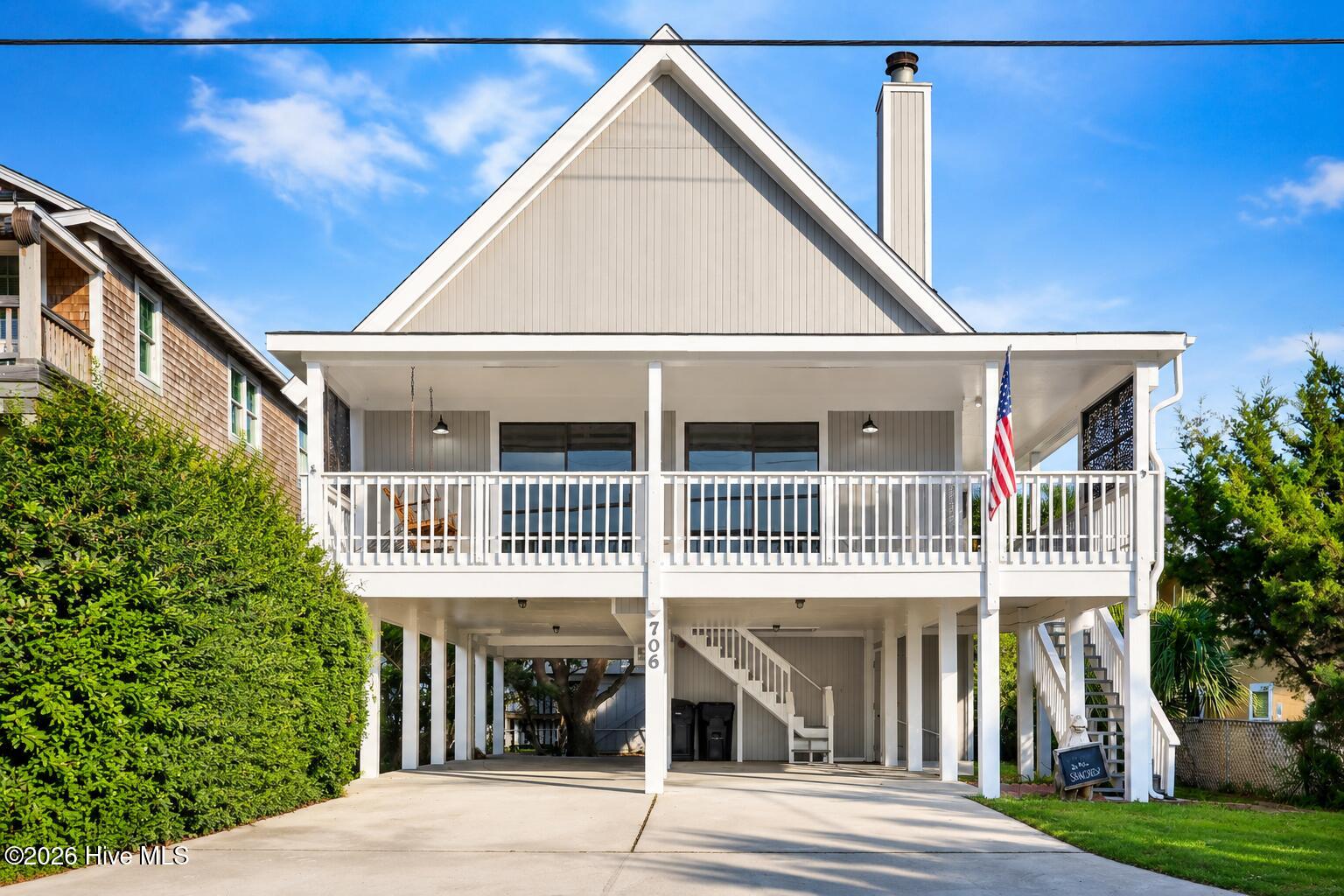
Most of what sells on the island falls into a few groups: oceanfront and sound-side condos, older beach cottages, and newer or rebuilt single-family homes, many raised up on pilings. Harbor Island has more single-family streets and many homes on the water facing Banks Channel or the Intracoastal Waterway.
Prices are high and swing with a small number of sales. Redfin counted 37 sales in 28480 in June 2026, with a median of about $1.65 million. A condo and an oceanfront house can be a million dollars apart, so look at recent sales of the exact building or street.
What to ask about a condo
- How much are the dues, and what do they cover? (Master insurance, flood insurance, elevators, pool, exterior repairs?)
- How healthy is the reserve fund, and are any special assessments coming?
- What are the rental rules, minimum stays and pet rules?
- Where does each unit park, and how many spaces do you get?
Buddy's take
There's just something about living on the coast. It's better. Why else would everybody want to live here? But beach markets move more than in-town markets. When things got rough after 2008, the beach markets took the biggest hit because they had risen the most during the boom. Buy an island property because you love it and plan to keep it a while, not because you think it can only go up.
Flood, storms and insurance
On a barrier island, flood risk is a fact of life. Oceanfront lots can fall in FEMA's coastal high-hazard zones, which have stricter building rules. Look up the exact address on the NC Flood Risk Information System and ask for an elevation certificate.
Insurance costs are rising fastest at the beach. Under the 2025 rate settlement, homeowners rates in the beach areas of New Hanover, Brunswick and Pender counties went up about 16% in 2025 and about 15.9% more in 2026. Flood insurance is a separate policy. Get quotes for both before you write an offer.
The beach itself needs upkeep. A nor'easter and king tides in October 2025 cut away a lot of sand and left small cliffs along the shore. The town's next renourishment project is planned for 2027, but it depends on federal funding.
Bridges, traffic and parking
Getting on and off the island is changing. NCDOT is replacing three bridges: the two West Salisbury Street bridges over Lees Cut and Banks Channel, and the Causeway Drive bridge over Banks Channel. Work is set to start in fall 2026 and run for several years. NCDOT says at least two lanes in each direction will stay open, but access to the Loop will be limited during the Lees Cut bridge work, and the Heide Trask Drawbridge will open only on the hour during active construction. Check NCDOT for current closures.
Summer parking is paid and it fills up. For 2026 the town lowered daily rates to $25 for standard spaces and $30 for premium spaces. Hourly rates stayed at $5 standard and $6 premium. The town also launched a live parking availability map. If you live on the island, ask how many off-street spaces come with the property, and what your guests will do on a July Saturday.
Buddy's take
I-40 brings you almost all the way to the bridge, which makes Wrightsville one of the easiest beaches in the state to reach. That's great for living here, and it's also why summer weekends get busy. Here's the other thing to know: a lot of island property has stayed in the same families for generations. The right house on the right street doesn't come up often, so when it does, you want your insurance quotes and financing lined up already.
What it really costs to own on the island
The purchase price is only the start. When you budget for an island home or condo, add up:
- Insurance: homeowners, wind and flood, which can be separate policies with separate deductibles.
- Association dues: for condos, often covering the building's master policy, exterior upkeep and amenities.
- Salt air wear: HVAC units, metal railings, decks and exterior finishes wear faster near the ocean. Ask the seller how old these items are.
- Parking: guests park in paid spaces in season, so off-street spots matter.
- Storm prep: shutters, a plan for your car and boat, and a plan for leaving when an evacuation is ordered. With only the bridges in and out, you'll want to go early.
None of this is a reason not to buy. It's a reason to go in with real numbers. Our trusted local pros list includes insurance agents and inspectors who work on the island every day.
Short-term rental rules
North Carolina law doesn't let towns require short-term rental registration, but towns can still regulate rentals through zoning, parking and other standards. On top of that, many condo associations set their own rental rules. Before you count on rental income, check with the Town of Wrightsville Beach planning office and read the association documents. Rentals also bring New Hanover County room occupancy tax and state sales tax, and the NC Vacation Rental Act requires written rental agreements. A tax pro can help you set that up.
What surprises people after their first summer: how quiet and private it gets.
Wrightsville Beach is beautiful. The water is some of the clearest on our coast, the beach is clean and well kept, and the oceanfront and sound-front properties are some of the finest in North Carolina. In summer, the island is busy with visitors, boats and crowds on Lumina Avenue.
Then fall comes, and the visitors leave. Many of the homes on the island are second homes, so a lot of houses sit dark for weeks at a time. People who moved here expecting a year-round beach-town crowd are often surprised by how still it gets.
The second surprise is the cost. Buying in is just the start. Insurance, flood coverage, upkeep from salt air and storm prep all cost more on the island than on the mainland, and those costs keep coming every year.
The third surprise is the crowd. Let’s be honest: Wrightsville Beach is largely a place for the very wealthy, and many of them come here for privacy, not to make new friends. That’s not a knock on anyone. They’ve earned the right to live how they want. But if you’re hoping for a welcoming, neighborly beach town where people wave from the porch and invite you over, this probably isn’t it. Some folks spend a lot of money to buy here and then feel like outsiders on their own street. I’d rather tell you that now than have you find out after closing.
Who it’s right for: If you want top-tier water and beaches, a premium address, and a quiet, private life when the season ends, Wrightsville is hard to beat.
Who might be happier somewhere else: If friendly neighbors and a down-to-earth community matter as much to you as the view, I’d steer you toward Carolina Beach, Kure Beach or Topsail Island. You’ll still get great beaches, you’ll spend less, and you’ll likely feel at home a lot faster.
Before you buy on the island, spend time there in January, not just July. That’s the version of Wrightsville you’ll be living with most of the year.
From a neighbor
"One of my favorite things to do is just walk the Loop. It's a couple miles around Wrightsville Beach and you go over the bridge and it's a nice walk."
— Mirabel Seymour, moved to Wilmington from New Jersey
Read more in Real stories: moving to Wilmington.
Before you decide
- Look up the flood zone and elevation for the exact address.
- Get homeowners, wind and flood insurance quotes before you offer.
- For a condo, read the budget, reserves, minutes and rental rules.
- Check the town's rules for rentals, parking and any planned renovations.
- Drive the bridges at summer rush hour and on a weekend afternoon.
- Ask how many parking spaces come with the property.
- Confirm school assignment for the address with New Hanover County Schools.
Keep looking
- Wrightsville Beach homes for sale
- Wrightsville Beach condos and waterfront homes
- Homes with a private dock and luxury homes
- Nearby on the mainland: 28403 and 28409
- Living in Wilmington, Living in Carolina Beach & Kure Beach, Property taxes on the NC coast
- Market report, Trusted local pros, Sell with us, Contact us
Questions people ask
How much does a home cost in Wrightsville Beach?
Redfin's median sale price for the 28480 ZIP was about $1.65 million in June 2026. Condos can run well below that, and oceanfront homes well above it.
How long is the Loop at Wrightsville Beach?
About 2.45 miles around the inner island. Access may be limited during NCDOT's Lees Cut bridge work.
Can I rent my Wrightsville Beach property short-term?
Possibly. Towns in North Carolina can't require rental registration, but zoning and association rules still apply. Check with the town and your condo association or HOA first.
Is Harbor Island part of Wrightsville Beach?
Yes. Harbor Island sits between the mainland and the beach strand and is part of the Town of Wrightsville Beach.
How do you get to Masonboro Island?
By boat only. It's an 8.4-mile undeveloped island just south of Wrightsville Beach across Masonboro Inlet.
Thinking about island living? Call or text the Buddy Blake Team at (910) 395-1000.